
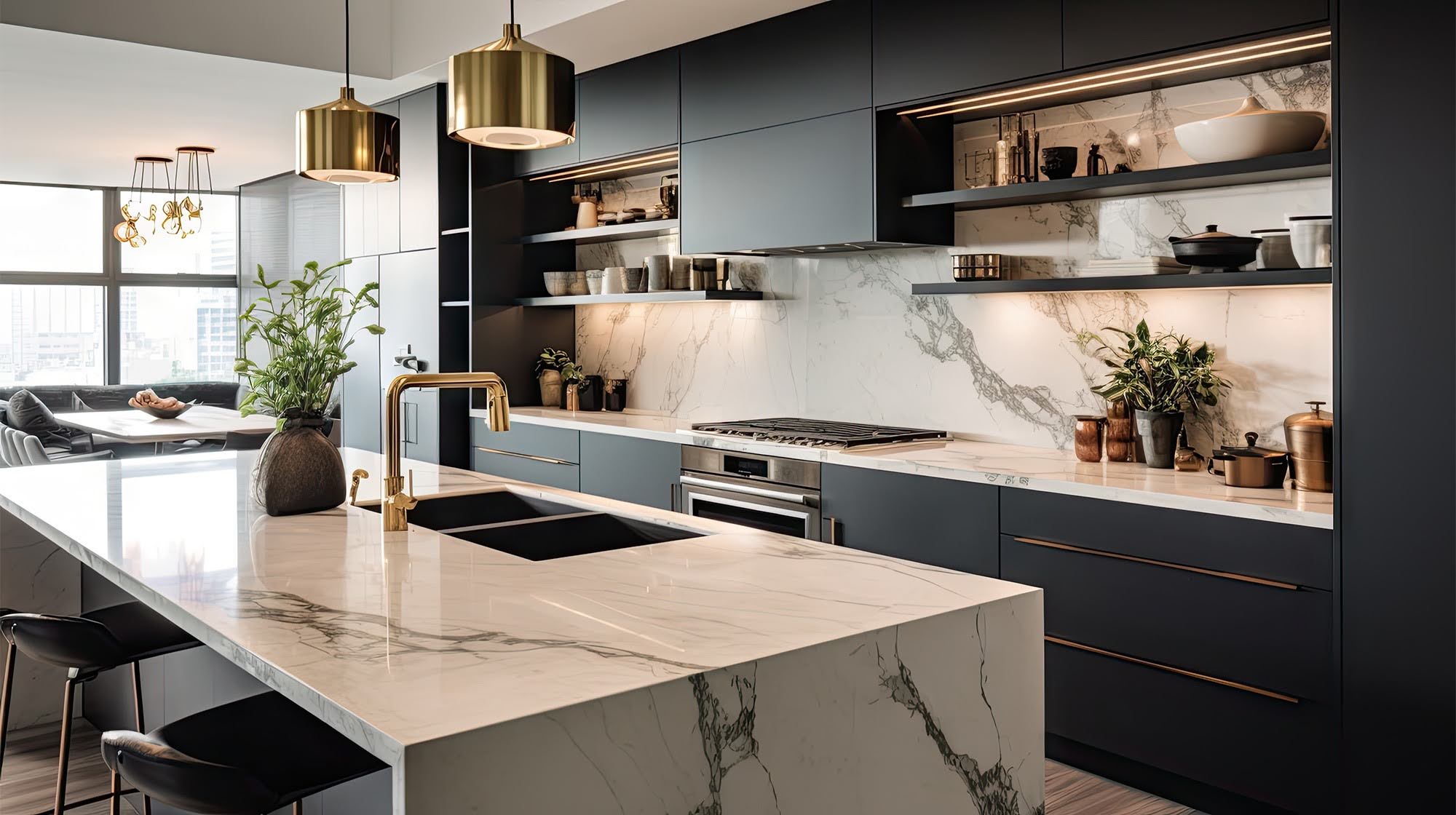
Jack Rosen Custom Cabinetry works with homeowners throughout Maryland, Washington, DC, and Northern Virginia to design custom cabinetry that balances craftsmanship, function, and long-term performance. While cabinet boxes and doors form the foundation of any project, hardware and lighting are the details that determine how cabinetry looks, feels, and functions every day.
Choosing the right cabinet hardware and lighting ensures your custom cabinetry is not only visually cohesive but also comfortable and practical for daily use.
Why Hardware and Lighting Matter in Custom Cabinetry
Cabinet hardware and lighting are often selected late in the design process, yet they have a significant impact on usability and overall design. These elements affect how cabinets open, how workspaces are illuminated, and how the finished space feels.
Well-chosen hardware and lighting help:
Improve comfort and ease of use
Enhance the visual style of custom cabinets
Support task efficiency in kitchens, bathrooms, and built-ins
Add refinement and polish to the finished space
Custom cabinetry allows these elements to be planned together rather than added as an afterthought.
Choosing the Right Cabinet Hardware
Pulls vs. Knobs
One of the first decisions homeowners make is whether to use pulls, knobs, or a combination of both.
Pulls are often preferred for:
Drawers and larger cabinet doors
Kitchens and utility-heavy spaces
Modern and transitional designs
Knobs are commonly used for:
Upper cabinets
Traditional or classic cabinetry styles
Smaller doors where a minimal look is desired
Many custom cabinetry projects combine pulls on drawers with knobs on upper cabinets to balance function and aesthetics.
Hardware Size and Proportion
Hardware should be sized proportionally to the cabinet doors and drawers. Oversized pulls can overwhelm smaller cabinets, while undersized hardware may feel awkward to use.
Custom cabinetry allows designers to recommend hardware sizes that:
Align with cabinet dimensions
Feel comfortable in hand
Maintain visual balance across the space
Finishes That Work in MD, DC & VA Homes
Hardware finishes should complement cabinetry finishes, countertops, and surrounding materials.
Popular options include:
Brushed or satin finishes for reduced fingerprints
Matte black for contrast and modern appeal
Polished finishes for traditional or formal spaces
Mixed metals used intentionally for layered design
The goal is consistency without rigidity, ensuring hardware feels intentional rather than trendy.
Practical Considerations for Everyday Use
Beyond appearance, cabinet hardware must perform well over time. Comfort, grip, and durability matter, especially in kitchens and high-use areas.
Homeowners should consider:
Rounded edges for comfort
Sturdy construction for frequent use
Easy-to-clean finishes
Placement that supports natural movement
Custom cabinetry allows hardware placement to be optimized for how cabinets are actually used.
Cabinet Lighting That Enhances Functionality
Under-Cabinet Lighting
Under-cabinet lighting is one of the most important lighting upgrades in custom cabinetry projects. It provides focused task lighting for countertops, improving visibility for cooking, prep, and daily tasks.
Benefits include:
Reduced shadows on work surfaces
Improved safety and accuracy
Enhanced ambiance when paired with dimmers
In-Cabinet and Interior Lighting
Interior cabinet lighting adds both function and sophistication. These lights are especially useful in:
Pantry cabinets
Deep base cabinets
Display cabinets
Built-in storage solutions
Interior lighting makes items easier to find while elevating the overall design.
Accent and Display Lighting
Accent lighting highlights architectural details and design features within custom cabinetry. Glass-front cabinets, open shelving, and built-ins benefit from subtle illumination that adds depth without overwhelming the space.
Planning Hardware and Lighting Together
Hardware and lighting should be planned as part of the overall cabinetry design, not selected independently. Their placement, finish, and function should work together to support the layout and intended use of the space.
Midway through the design process, many homeowners choose to schedule your free design consultation to review hardware samples, lighting options, and placement strategies tailored to their cabinetry layout.
Custom Cabinetry vs. Aftermarket Add-Ons
When hardware and lighting are added after installation, compromises are often required. Custom cabinetry allows these details to be integrated from the start, ensuring:
Proper wiring and placement for lighting
Consistent alignment of hardware across doors and drawers
Clean installation without visible retrofits
Long-term durability and performance
This integrated approach results in a more polished and functional finished space.
Creating a Cohesive, Functional Finish
Choosing cabinet hardware and lighting is about more than style—it’s about how your cabinetry performs every day. Thoughtful selections enhance comfort, efficiency, and visual appeal while supporting the long-term value of your custom cabinetry investment.
If you are planning a custom cabinetry project and want guidance on selecting hardware and lighting that fits your home and lifestyle, request a free estimate or contact Jack Rosen Custom Cabinetry to work with experienced designers serving Maryland, Washington, DC, and Northern Virginia.