
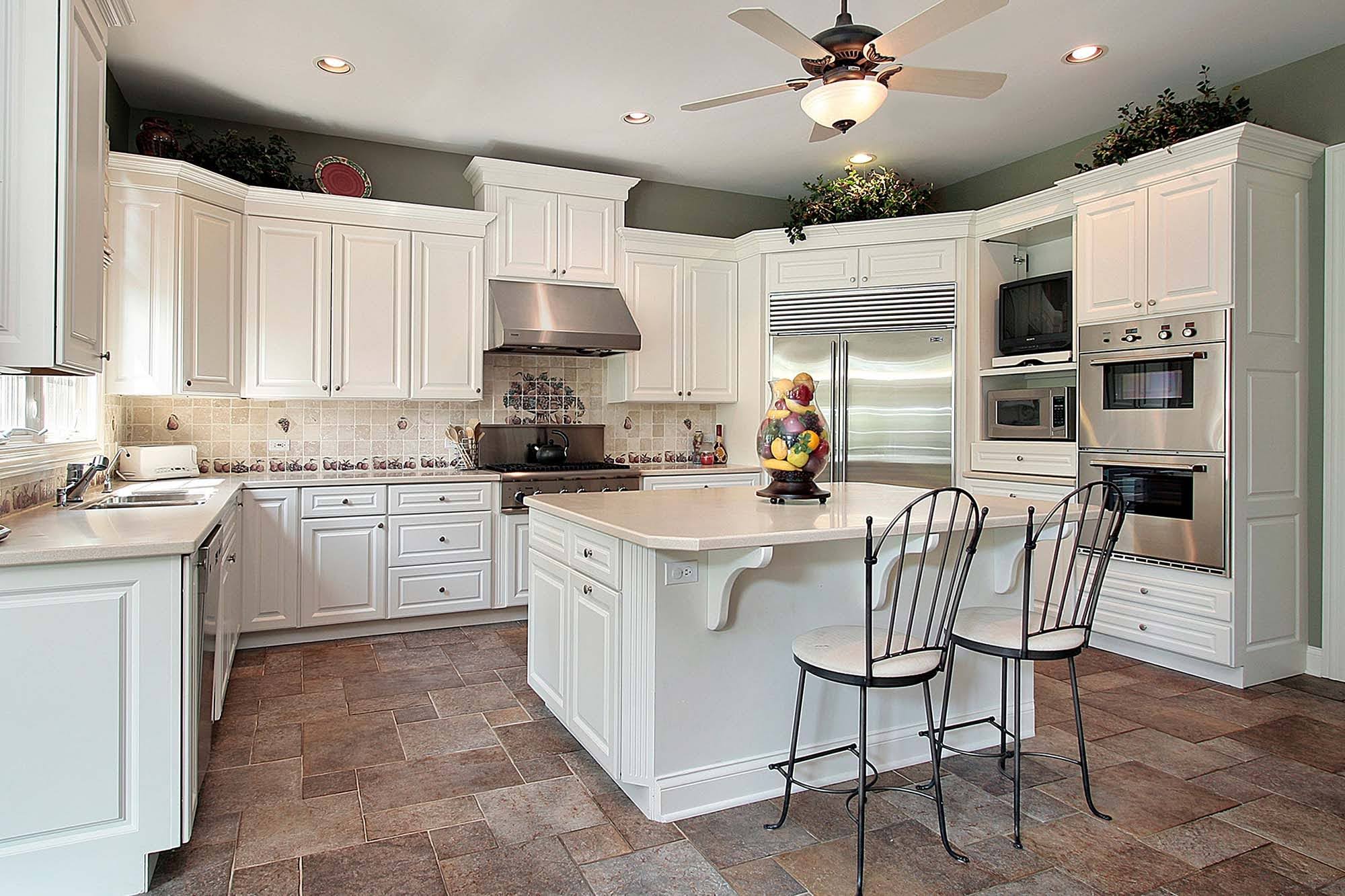
Jack Rosen Custom Cabinetry helps homeowners across Maryland, Washington, DC, and Northern Virginia navigate one of the most important decisions in kitchen and home renovations: choosing between frameless and face-frame cabinets. While both styles offer distinct advantages, the right choice depends on your home’s architecture, layout constraints, storage needs, and overall design goals.
Understanding the differences between these cabinet construction styles allows homeowners to make informed decisions that balance function, aesthetics, and long-term performance.
What Are Face-Frame Cabinets?
Face-frame cabinets feature a solid wood frame attached to the front of the cabinet box. Doors and drawers are mounted to this frame, creating a traditional construction style commonly found in American homes.
Key Characteristics of Face-Frame Cabinets
A visible frame around cabinet openings
Added structural rigidity from the face frame
Doors can be inset, partial overlay, or full overlay
Often associated with traditional or transitional designs
Face-frame cabinets are especially common in older homes throughout Maryland and Washington, DC, where traditional architectural details are a priority.
What Are Frameless Cabinets?
Frameless cabinets, sometimes referred to as European-style cabinets, do not include a front frame. Doors and drawers attach directly to the cabinet box, creating a clean, streamlined appearance.
Key Characteristics of Frameless Cabinets
No front frame, resulting in full access to cabinet interiors
Sleek, modern aesthetic
Typically use full-overlay doors
Maximized interior storage space
Frameless cabinets are popular in contemporary homes and urban renovations throughout DC and Northern Virginia, where clean lines and efficient storage are key priorities.
Storage and Accessibility Differences
One of the most practical differences between frameless and face-frame cabinets is how they affect storage and access.
Face-Frame Storage Considerations
The face frame slightly reduces the width of cabinet openings. While this is rarely an issue in larger kitchens, it can affect accessibility in compact spaces. However, custom cabinetry allows designers to offset this limitation through thoughtful drawer and pull-out configurations.
Frameless Storage Advantages
Frameless cabinets provide wider openings and greater usable interior space. This makes them particularly effective in:
Narrow kitchens
Galley layouts
Smaller DC rowhomes
Compact urban condos
For homeowners focused on maximizing storage without increasing the kitchen footprint, frameless cabinets often offer a functional advantage.
Design Style and Home Architecture
Traditional and Historic Homes
Face-frame cabinets tend to complement traditional architecture, making them a strong fit for:
Colonial-style homes
Historic DC rowhouses
Classic Maryland residences
They pair well with decorative moldings, inset doors, and detailed finishes that align with established architectural elements.
Modern and Transitional Homes
Frameless cabinets are well-suited to:
Contemporary renovations
Open-concept kitchens
Minimalist or transitional designs
Their clean lines and consistent reveals create a seamless look that blends easily with modern materials and finishes.
Durability and Construction Quality
Both frameless and face-frame cabinets can be extremely durable when built using high-quality materials and proper construction methods.
Custom cabinetry typically includes:
Solid wood doors and drawer fronts
Durable plywood cabinet boxes
Precision hardware designed for daily use
The key difference lies not in strength, but in how the cabinets are engineered to suit the space. Custom construction ensures either style performs well over time in Maryland, DC, and Virginia homes.
Installation and Fit in Older Homes
Many homes in the DC metro area feature uneven walls, sloped floors, and unique architectural conditions. Custom cabinetry allows both frameless and face-frame cabinets to be installed with precision, even in challenging spaces.
Face-frame cabinets can offer additional forgiveness during installation, while frameless cabinets require precise measurements and expert installation to achieve clean, consistent lines. Working with experienced cabinetry professionals ensures either option fits seamlessly.
Midway through planning, many homeowners choose to schedule your free design consultation to review layout options and determine which cabinet style best suits their renovation goals.
Cost and Value Considerations
Cost differences between frameless and face-frame cabinets are often influenced more by customization, materials, and finishes than by construction style alone.
Factors that affect pricing include:
Cabinet size and layout complexity
Door style and finish selection
Interior storage features
Installation requirements
Custom cabinetry allows homeowners to prioritize the features that matter most, regardless of cabinet style.
Which Cabinet Style Is Right for Your Renovation?
Choosing between frameless and face-frame cabinets depends on several factors:
Your home’s architectural style
Kitchen size and layout
Storage priorities
Design preferences
Long-term renovation goals
There is no universal “best” option—only the best solution for your specific home and lifestyle.
Making a Confident Cabinetry Decision
Both frameless and face-frame cabinets offer unique advantages for Maryland, Washington, DC, and Virginia renovations. With expert guidance and fully custom design, homeowners can select a cabinet style that enhances functionality, complements their home, and delivers long-term value.
If you are planning a kitchen renovation and want help choosing the right cabinetry construction, request a free estimate or contact Jack Rosen Custom Cabinetry to discuss custom cabinet solutions tailored to your home and renovation goals.